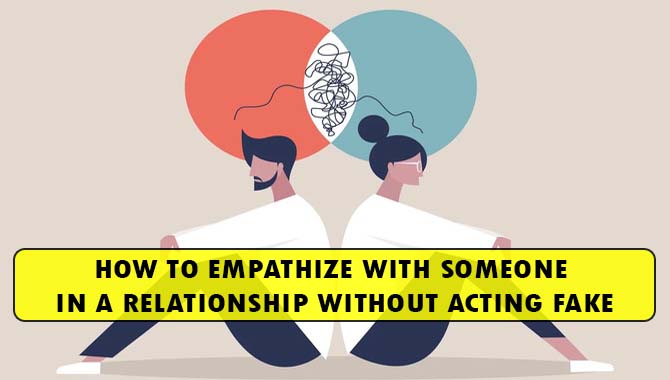
Best how to communicate in a relationship means understanding each other’s feelings and needs clearly, speaking honestly and kindly, active listening, and working together to solve problems. It’s the foundation for a strong, happy connection.
Ever feel like you’re speaking a different language than your partner, friend, or even a close family member? You say one thing, and they hear something else entirely. It’s a common feeling, and it can leave you feeling frustrated, misunderstood, and alone, even when you’re with someone you care about deeply. Relationships, whether romantic, platonic, or familial, thrive on connection, and at the heart of connection is communication. When communication breaks down, so does the relationship. But here’s the good news: learning how to communicate effectively isn’t rocket science. It’s a skill you can build, step-by-step, to create deeper understanding and lasting bonds. Let’s explore the essential truths that unlock better communication and, in turn, stronger relationships.
The Core Meaning: What “Good Communication” Really Looks Like
When we talk about the “best how to communicate in a relationship meaning,” it’s not just about talking more. It’s about talking better. It’s about creating a bridge of understanding where both people feel heard, valued, and respected. This isn’t about winning arguments or proving a point; it’s about connecting on a deeper level. At its heart, effective communication is about:
- Clarity: Expressing your thoughts, feelings, and needs in a way that is easy for the other person to understand.
- Honesty: Being truthful about your experience, even when it’s difficult, but doing so with kindness.
- Active Listening: Truly paying attention to what the other person is saying, both with their words and their body language, and showing you understand.
- Empathy: Trying to see things from the other person’s perspective and acknowledging their feelings.
- Respect: Valuing the other person’s thoughts and feelings, even if you disagree.
- Collaboration: Working together to find solutions and overcome challenges.
Think of it like building a beautiful mosaic. Each communication exchange is a tiny tile. When placed carefully, with attention to detail and color, they create a stunning picture. When tiles are dropped, forgotten, or placed haphazardly, the picture becomes disjointed and unclear. The goal is to place those tiles with intention, creating a masterpiece of mutual understanding.
Why Understanding is So Important in Relationships
Why is this kind of communication so vital? Because it’s the bedrock upon which healthy relationships are built. Without it, smaller issues can fester and grow into resentments. Misunderstandings can lead to unnecessary conflict. Here’s why understanding is key:
- It Prevents Misunderstandings: So much conflict arises from simple, yet crucial, misinterpretations. Clear communication minimizes the guesswork.
- It Builds Trust: When you know you can express yourself honestly and be heard without judgment, trust flourishes. This trust is the glue that holds relationships together.
- It Fosters Emotional Safety: A safe space to share your true feelings allows for vulnerability, which deepens intimacy and connection.
- It Strengthens Bonds: Regularly connecting on an emotional level, understanding each other’s joys and struggles, makes the relationship more resilient.
- It Facilitates Problem-Solving: When challenges arise, good communication allows you to tackle them as a team, finding solutions that work for both of you.
- It Enhances Intimacy: Sharing your inner world and truly understanding your partner’s is a profound form of intimacy that goes beyond the physical.
Consider the difference between a solid oak tree and a fragile sapling. The oak can weather storms because its roots are deep and strong, interwoven with the earth. Similarly, relationships with excellent communication have deep, strong roots that can withstand the inevitable challenges of life. The sapling, lacking that foundation, is much more vulnerable.
The “How-To”: Practical Steps for Better Communication
So, how do we actually do it? It’s not about having a perfect conversation every time. It’s about consistent effort and adopting specific habits. Here are actionable steps you can start using today:
Step 1: Practice Active Listening
This is perhaps the most crucial skill. Active listening means giving your full attention to the speaker. It’s more than just hearing words; it’s about understanding the message, the emotions, and the intention behind them.
- Give Your Undivided Attention: Put away distractions like your phone. Make eye contact (comfortably, not staring).
- Listen to Understand, Not Just to Reply: Resist the urge to formulate your response while the other person is still speaking. Your primary goal is to grasp their perspective.
- Nod and Use Verbal Cues: Small gestures like nodding, saying “uh-huh,” or “I see” show you’re engaged.
- Paraphrase and Summarize: To confirm understanding, repeat back what you heard in your own words. For example, “So, if I’m understanding correctly, you’re saying that you felt overwhelmed when…” or “What I’m hearing is that you need more support with…”
- Ask Clarifying Questions: If something is unclear, ask open-ended questions like, “Can you tell me more about that?” or “What did you mean when you said…?”
- Empathize: Try to put yourself in their shoes. Acknowledge their feelings: “That sounds really difficult,” or “I can see why you’d feel that way.”
Active listening is a skill that requires practice. You might find yourself slipping back into old habits, but each time you catch yourself and refocus, you’re getting better.
Step 2: Express Yourself Clearly and Honestly
Once you’ve mastered listening, you need to be able to share your own thoughts and feelings effectively. This is where many people struggle, fearing judgment or conflict. The key is “I” statements and, crucially, kindness.
- Use “I” Statements: Frame your thoughts and feelings from your own perspective. Instead of “You always make me feel ignored,” try “I feel ignored when my messages aren’t responded to for a long time.” This focuses on your experience without blaming the other person.
- Be Specific: Vague complaints are hard to address. Instead of “You’re not helping,” try “I would appreciate it if you could help with the dishes tonight, as I’m feeling exhausted.”
- Focus on the Behavior, Not the Person: Discuss actions or situations, not character flaws. For instance, “I was concerned when the rent was late” is better than “You’re irresponsible.”
- Express Your Needs: Don’t expect others to be mind-readers. Clearly state what you need. “I need some quiet time after work to decompress” is more effective than hoping your partner guesses you’re stressed.
- Be Mindful of Your Tone: Your tone of voice can convey as much meaning as your words. Aim for calm, respectful, and open. Avoid sarcasm, yelling, or an accusatory tone.
- Choose the Right Time and Place: Complex or sensitive conversations are best had when both people are calm, rested, and have enough time to talk without interruption.
Expressing yourself effectively isn’t about being confrontational; it’s about being assertive and honest in a way that respects both yourself and the other person. It’s about sharing your inner world so you can be truly known.
Step 3: Manage Emotions Constructively
Emotions are a natural part of human interaction, and they can sometimes run high in relationships. Learning to manage your own emotions and respond to your partner’s emotions constructively is vital.
- Recognize Your Triggers: Understand what situations or comments tend to evoke strong emotional responses in you. Awareness is the first step to managing them.
- Take a Break When Needed: If you feel yourself getting overwhelmed, it’s okay to ask for a pause. “I’m feeling really upset right now, and I need a few minutes to collect my thoughts. Can we revisit this in 20 minutes?” This isn’t avoidance; it’s emotional regulation.
- Identify the Underlying Feeling: When you feel angry, what’s really going on? Are you hurt? Scared? Disappointed? Naming the deeper emotion can help you express it more effectively.
- Validate Their Emotions: Even if you don’t agree with why they feel that way, acknowledge that their feelings are real to them. “I understand you’re feeling angry about this, and that’s valid.”
- Practice Self-Soothing Techniques: Deep breathing, a short walk, listening to music, or journaling can help you calm down when feeling intense emotions.
This isn’t about suppressing emotions, but about expressing them in a healthy, productive way that doesn’t damage the relationship. It’s about emotional intelligence in action.
Step 4: Seek to Understand Their Perspective (Empathy)
Empathy is the ability to step into someone else’s shoes and understand their feelings, thoughts, and experiences. It’s a powerful tool for building connection.
- Ask Open-Ended Questions: “How did that make you feel?” “What was going through your mind then?” “What’s the hardest part of this for you?”
- Listen for Feelings Beneath the Words: Often, what someone says is a symptom of a deeper feeling. Try to identify that underlying emotion.
- Imagine Yourself in Their Situation: If you experienced the same events with their background, beliefs, and personality, how might you react?
- Avoid Judgment: Suspend your own biases and assumptions. Try to accept their reality as they perceive it.
- Reflect Their Feelings: “It sounds like you felt really unappreciated then,” or “You must have been so excited about that opportunity.”
Empathy doesn’t mean agreeing with the other person or excusing their behavior. It means understanding their experience. This level of understanding can diffuse tension and open the door to genuine connection.
Step 5: Practice Conflict Resolution Skills
Disagreements are inevitable in any relationship. The “best how to communicate in a relationship meaning” includes knowing how to navigate these disagreements constructively.
- Focus on the Problem, Not the Person: Remember, you’re a team facing an issue, not adversaries.
- Brainstorm Solutions Together: Once both perspectives are understood, work collaboratively to find solutions. “What are some ways we could approach this so we both feel good about it?”
- Be Willing to Compromise: Not every issue will have a perfect win-win solution upfront. Be prepared to meet in the middle.
- Agree to Disagree (When Necessary): Some differences are fundamental and may not be resolvable. In such cases, graciously agreeing to disagree and moving forward respectfully is a sign of maturity.
- Learn to Forgive: Holding onto past hurts can poison a relationship. Forgiveness, when genuinely offered and received, is essential for moving forward.
Effective conflict resolution is about strengthening the relationship through challenges, not weakening it. It’s about building a shared history of overcoming obstacles together.
Common Communication Pitfalls and How to Avoid Them
Even with the best intentions, it’s easy to fall into communication traps. Awareness is key to steering clear of them.
1. The Silent Treatment
This is a form of passive-aggression where one person punishes the other by withholding communication. It’s damaging because it leaves the other person confused, anxious, and unable to resolve the issue.
How to avoid: If you need space, state it clearly and use the “take a break” strategy. Don’t use silence as a weapon. If someone is giving you the silent treatment, you can state, “I notice you’re not talking to me. I’m ready to listen when you are, but silence doesn’t resolve this.”
2. Mind-Reading and Assumptions
Believing you know what the other person is thinking or feeling without them telling you is a fast track to misunderstanding.
How to avoid: Always ask! Instead of assuming, ask clarifying questions. “I’m not sure I’m understanding what you mean. Can you explain that further?” or “It seems like you might be feeling X, is that right?”
3. Personal Attacks and Blame
When conversations devolve into insults, name-calling, or blaming, the connection is severely threatened.
How to avoid: Use “I” statements. Focus on the issue and the behavior, not the person’s character. Take responsibility for your part in the dynamic.
4. Bringing Up the Past
Constantly dredging up old grievances, even when discussing a current issue, prevents progress and creates resentment.
How to avoid: Focus on the present issue. If past events are relevant, discuss them calmly and with a focus on learning, not accusing.
5. Defensiveness
Reacting to feedback or criticism by immediately defending yourself without truly hearing the other person’s point of view.
How to avoid: Try to take a deep breath before responding. Listen to understand, even if it’s uncomfortable. You can acknowledge their perspective without necessarily agreeing to it. “I hear that you feel I wasn’t considerate, and I want to understand why you feel that way.”
The Role of Non-Verbal Communication
Communication is not just about the words we say. Our body language, tone of voice, and facial expressions convey a significant portion of our message. These non-verbal cues can either support or contradict our verbal message.
| Non-Verbal Cue | What it Often Conveys | How to Use it Positively |
|---|---|---|
| Eye Contact | Interest, honesty, engagement, or aggression | Maintain comfortable, open eye contact to show you’re listening and attentive. Avoid intense staring. |
| Facial Expressions | Happiness, sadness, anger, confusion, agreement | Ensure your facial expressions match your verbal message. A smile when discussing something positive, concern when discussing something worrying. |
| Body Posture | Openness, defensiveness, confidence, fear | Maintain an open posture (uncrossed arms, facing the person) to appear approachable and receptive. |
| Tone of Voice | Calmness, anger, sympathy, sarcasm, confidence | Use a calm, even tone. Vary your tone to convey emotion appropriately, but avoid loudness or excessive flatness. |
| Gestures | Emphasis, nervousness, animation | Use natural gestures to emphasize points, but avoid fidgeting or distracting movements. |
Pay attention to your own non-verbal signals and those of the person you’re communicating with. Sometimes, what isn’t said is more important than what is. For more on the impact of non-verbal cues, resources like the Humane Society’s guide to body language offer insights into how animals (and humans!) communicate beyond words.
Communication Through Different Relationship Stages
The way we communicate often evolves as a relationship progresses. Understanding these shifts can help you adapt and maintain strong connections.
Early Stages (Dating, New Friendships)
Focus: Discovery, getting to know each other, finding common ground.
Communication Style: Lighter, more exploratory. Questions are key. There’s often more caution and a careful presentation of self.
Potential Pitfalls: Too much information too soon, making assumptions, not being authentic.
Tips: Ask open-ended questions. Share about yourself gradually. Be a good listener. Practice the “curiosity over judgment” mindset.
Established Relationships (Long-term Partners, Close Friends)
Focus: Deepening connection, navigating shared challenges, maintaining intimacy.
Communication Style: More direct, can be assumed greater understanding. Deeper emotional sharing.
Potential Pitfalls: Taking each other for granted, poor conflict resolution, assuming understanding, lack of consistent effort.
Tips: Regular check-ins. Explicitly express appreciation. Revitalize your communication habits. Don’t stop asking questions about your partner’s inner world.
Navigating Conflict
Whether a new spark or a long-term flame, conflict is a test of communication. The skills mentioned earlier – active listening, “I” statements, emotional regulation – are paramount here.
| Conflict Scenario | Less Effective Communication | More Effective Communication (Best How To Communicate) |
|---|---|---|
| Disagreement on plans | “You never want to
Related Posts |